In May 2025, Victoria gave its biggest energy rebate scheme another 15 years. The Victorian Energy Upgrades (VEU) program was due to end in 2030; it now runs to 2045. If you sell heating and cooling, that’s the difference between a rebate you mention in passing and one you can build a marketing plan around.
Between the VEU, NSW’s Energy Savings Scheme, and Queensland’s PeakSmart program, your customers can get efficient HVAC noticeably cheaper. Most HVAC businesses still don’t use that. They either lose track of which schemes apply or never raise them with a customer who’d upgrade in a heartbeat if someone just showed them the discount.
So: which schemes apply where, what changed in the VEU last year, and how to turn any of it into booked work. Schemes first.
Table of Contents
- Key Government Rebate Schemes Every HVAC Provider Should Know About
- Turning Australian Energy Upgrades into Marketing Opportunities
- How Our Digital Solutions Can Help You Maximise These Opportunities
- Take Action Today
Key Government Rebate Schemes Every HVAC Provider Should Know About
The schemes below cover most of the country. Rates, eligible products, and application windows change often, so confirm the current details on each program’s official page before you quote a customer.
1. Victorian Energy Upgrades (VEU) Program
What it offers: Discounts on energy-efficient heating and cooling for homes and businesses across Victoria, covering heat pumps, reverse-cycle air conditioners, and hot water systems installed through accredited providers. The discount comes off the upfront price, so customers feel the saving at the point of sale.
What changed in 2025, and why it matters to you:
- The program is now legislated to 2045. Victoria’s Parliament passed the extension on 13 May 2025, moving the end date out from 2030. The 2030 expiry that made the scheme feel risky to build around is gone, so the VEU is now worth investing in for the long run.
- Eligible heat pump water heaters and reverse-cycle air conditioners now need a minimum five-year warranty against defects, in effect from 31 March 2025. Products that couldn’t meet it were pulled from the register, so check that anything you install and quote is still listed.
- Customers now pay a co-payment on several activities. The program has shifted away from “free” installs toward part-funded upgrades, which changes how you should present pricing in a quote.
- From 1 July 2025, the Essential Services Commission has stronger enforcement powers, new mandatory training and competency requirements for participants, and penalties for giving false or misleading information. Loose paperwork is a bigger risk than it used to be.
Eligibility: Victorian homes and businesses installing approved energy-efficient HVAC equipment through accredited providers.
2. NSW Energy Savings Scheme (ESS)
What it offers: Incentives for energy-efficient HVAC upgrades through energy savings certificates, with HVAC rebates that lower the cost for eligible businesses replacing older systems.
Eligibility: Businesses upgrading HVAC systems to cut energy use.
3. Queensland PeakSmart Air Conditioning Program
What it offers: Cashback for installing PeakSmart-compatible air conditioning units, which reduces the upfront cost of an efficient system and helps manage peak demand on the grid.
Eligibility: Homeowners and businesses installing approved PeakSmart systems.
4. South Australia Retailer Energy Productivity Scheme (REPS)
What it offers: Incentives for energy-efficient HVAC upgrades across residential and commercial properties in South Australia.
Eligibility: South Australian businesses using certified HVAC systems.
5. Energy Efficiency Grants for SMEs (Federal)
What it offered: Grants of $10,000 to $25,000 for small and medium businesses to upgrade equipment, including HVAC, lighting, and energy monitoring. Round 1 (2023) and Round 2 have both closed and the funds were awarded, so there’s no open application window right now. Keep an eye on business.gov.au for any future round, but don’t point customers to this one as a live rebate.
Eligibility (when open): SMEs upgrading equipment to reduce energy use.
6. HVAC Upgrade Incentives in NSW for Businesses
What it offers: Support for energy-efficient HVAC upgrades in commercial buildings, aimed at NSW businesses investing in higher-performance systems.
Eligibility: Businesses meeting the HVAC upgrade criteria.
7. Federal Incentives for Renewable HVAC Solutions
What it offers: Rebates for HVAC setups that integrate renewable energy, such as solar-assisted systems, available across Australia.
Eligibility: HVAC businesses offering renewable and energy-efficient solutions.
8. Energy Efficiency Improvement Scheme (EEIS) – ACT
What it offers: Discounts and rebates for installing energy-efficient HVAC systems across residential and commercial properties in the ACT.
Eligibility: ACT households and businesses upgrading to certified HVAC equipment.
9. Northern Territory Energy Efficiency Grants
What it offers: Financial support for energy-efficient equipment upgrades, including HVAC, for NT-based businesses looking to lower running costs.
Eligibility: NT businesses aiming to reduce operational energy costs.
Turning Australian Energy Upgrades into Marketing Opportunities
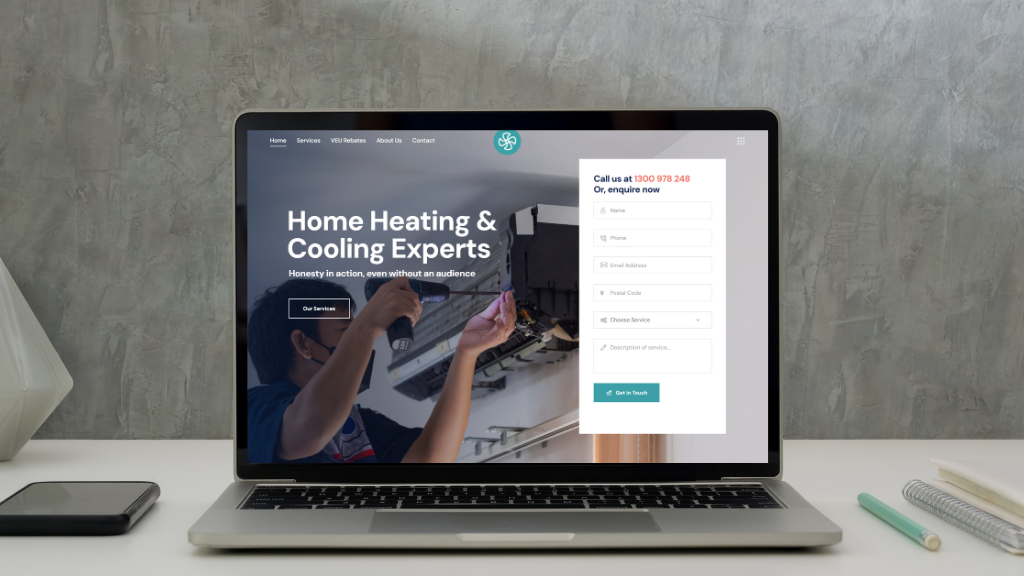
Most providers treat a rebate as a discount and leave it there. It’s also the reason a customer picks up the phone, and the competitor down the road probably isn’t bringing it up. A few ways to put these schemes to work:
- Explain the rebates in plain language on your website, in newsletters, and on social. Most people have heard “there’s a government rebate” but have no idea whether they qualify or how much they’d save.
- Flag which of your products and services are rebate-eligible, and say so on the product pages, not only in conversation.
- Walk customers through the application. The new co-payment and warranty rules make the VEU paperwork fiddlier, so “we handle the rebate side for you” is a genuine selling point.
- Show real numbers. A short example with the install cost, the rebate applied, and the final out-of-pocket price beats any generic “save on your energy bills” line.
- Be upfront about cost, savings, and eligibility. Trust is what closes HVAC jobs, especially the larger commercial upgrades.
Get this right and you become the provider who makes the rebate easy, which is usually what tips a quote into a booking.
How Our Digital Solutions Can Help You Maximise These Opportunities
1. Custom Web Design for HVAC Providers
Your rebate-eligible services should be impossible to miss on your site, with the eligibility and the dollar figure right there on the page rather than buried in a PDF. Add a rebate-check or inquiry form so a curious visitor turns into a lead instead of a bounce. And write the pages around what customers actually search: “VEU heat pump rebate”, or “aircon rebate” plus their suburb.
2. Mobile App Development for HVAC Businesses
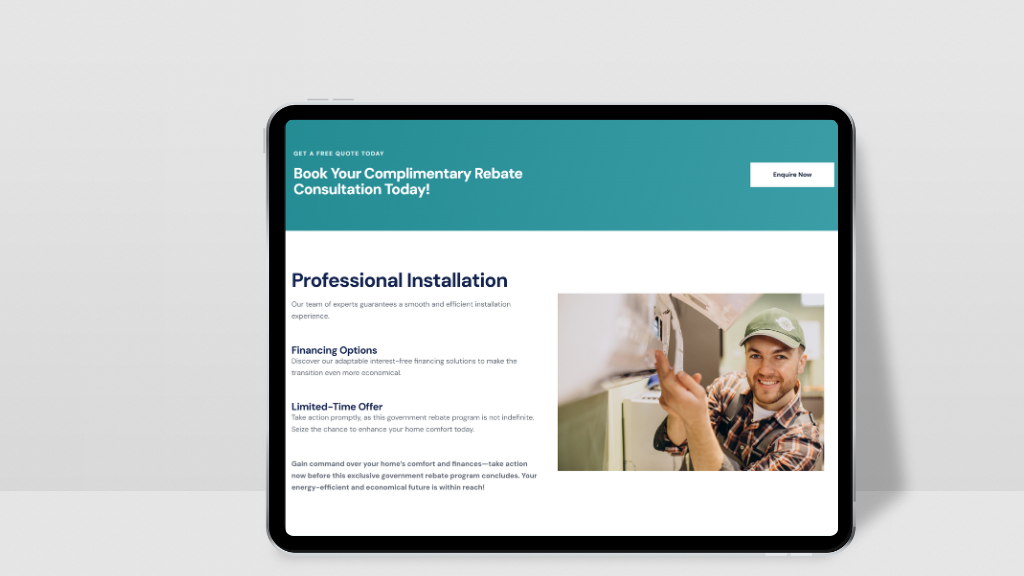
A few things an app does well here:
- A rebate calculator that shows a customer their likely out-of-pocket cost after the discount.
- Reminders about application deadlines and warranty registration.
- System monitoring and control, which is the reason they keep your app on their phone long after the install.
3. IoT Solutions for Smart HVAC Systems
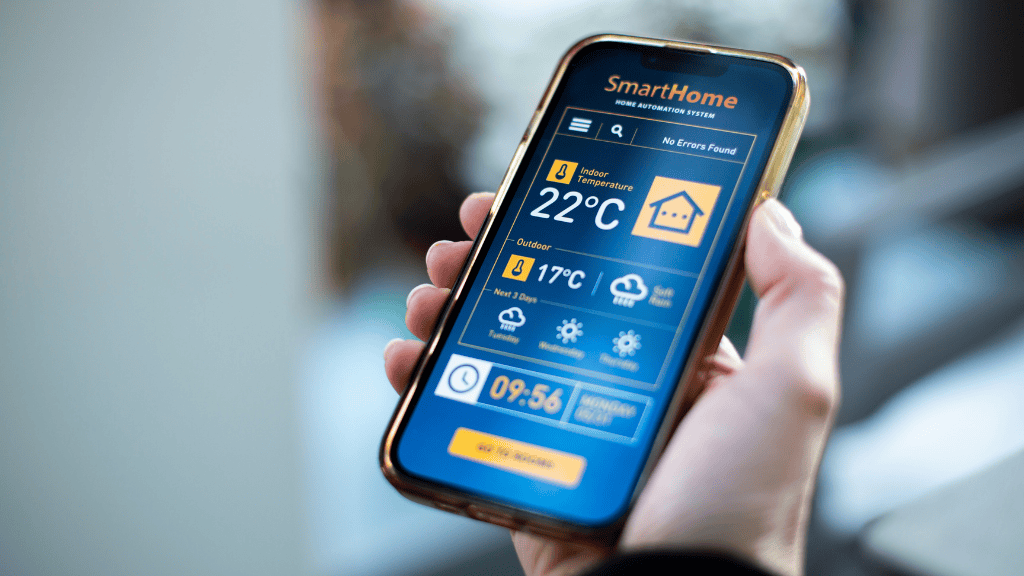
IoT-enabled systems let you monitor and manage a customer’s setup remotely, and they hand the customer real consumption data, which makes the case for an efficiency upgrade concrete instead of theoretical. Predictive maintenance alerts are the bonus. They turn a one-off install into a service relationship that keeps paying.
4. Rebate Admin and Compliance Tools
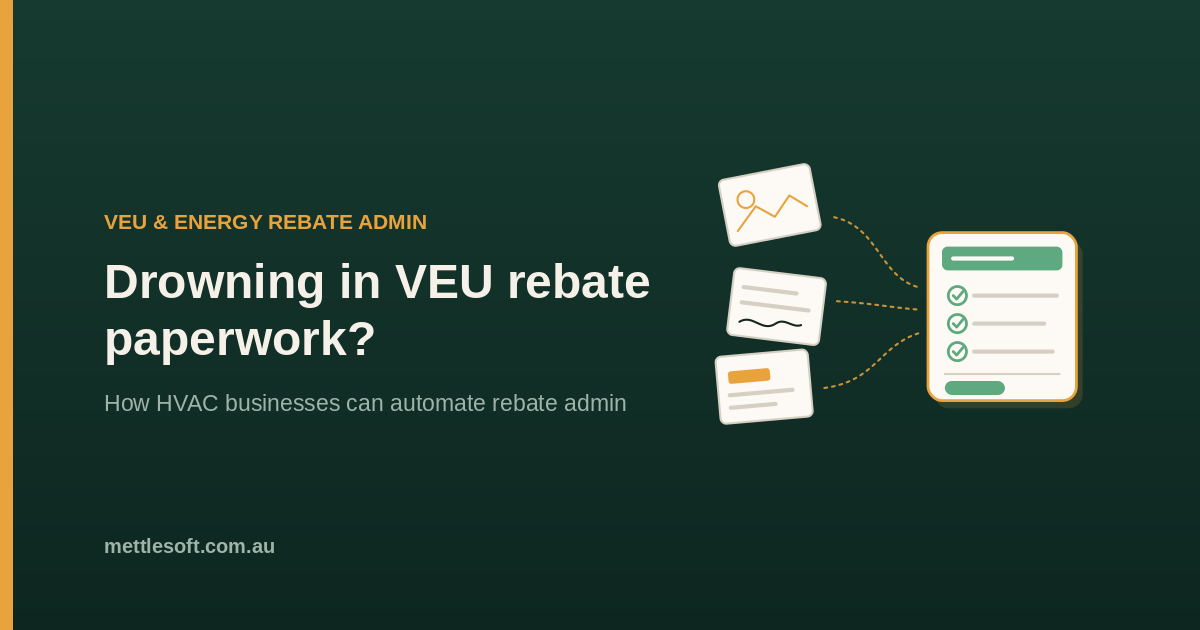
This is the part most off-the-shelf field-service apps miss. The 2025 VEU changes piled on warranty checks, co-payment records, and stricter paperwork, and the certificate side has its own forms and deadlines on top. Custom software can track rebate applications, hold the warranty and compliance records the ESC now expects, and tie all of it to the actual field job, so none of it ends up scattered across an inbox and a spreadsheet. Off-the-shelf field-service tools handle the jobs but not the rebate side. We’ve built that combination before. It’s in our portfolio.
The ESC rejected 18,238 certificates in a single enforcement action over record-keeping failures. We’ve since written up where rebate admin leaks and what’s worth automating.
Take Action Today
The VEU running to 2045 means the rebate conversation isn’t going anywhere, so it’s worth building into how you market and quote for the next decade. The providers who make rebates easy to understand and easy to claim will win work that quieter competitors leave on the table.
If you want a website, app, or custom rebate-tracking setup that does that, let’s talk. Contact us and we’ll map out a digital strategy for your HVAC business.